


Tengrinews.kz — For many people around the world, including Kazakhstanis, a tan is still seen as a symbol of beauty and the result of an ideal vacation. However, experts explain that a bronze skin tone is actually not a sign of health, but of DNA damage. How dangerous is the sun in Kazakhstan and how can people protect themselves from its effects?
Where the sun is most dangerous in Kazakhstan and who is at risk
According to dermatologist-venereologist Asiya Zhazylbekova, the sun in Kazakhstan can be especially aggressive in summer. However, due to the country’s vast territory, the intensity of radiation can vary greatly depending on the region.
While in the north, for example in Astana, the maximum UV Index in summer remains around six, in the south it reaches higher levels.
“For example, in Almaty and Shymkent in June–August, the average maximum UV Index can reach 9–10, which falls into the ‘very high’ and ‘extreme’ categories.”
According to the doctor, without special protection, the skin in these regions can suffer serious damage within minutes, especially from 10:00 a.m. to 4:00 p.m., when solar activity reaches its peak.
The doctor identifies the following as high-risk areas:
- Almaty, Shymkent, as well as Turkestan, Kyzylorda, Zhambyl and Almaty regions and Zhetysu region;
- recreation areas near water: the Caspian Sea, Balkhash, Alakol and Kapchagay;
- mountainous areas.
Asiya Zhazylbekova explains that the risk of exposure to aggressive ultraviolet radiation is much higher in places with a more southern latitude, a hotter climate, higher altitude above sea level or reflective surfaces.
“People who regularly visit tanning salons, have fair skin, light-colored eyes, or red or blond hair should be especially careful,” the speaker warned.
The high-risk group also includes people:
- with a large number of moles, especially if some of them are atypical;
- those who have already had skin cancer;
- as well as people whose close relatives have had melanoma.
A tan is a sign of damage
The specialist notes that many people still perceive a tan as a sign of health, but from a medical point of view, this is not the case at all.
“A tan is the darkening of the skin due to an increase in the pigment melanin after exposure to ultraviolet radiation. In other words, it is not just a ‘beautiful skin tone,’ but the skin’s defense against UV radiation. Moreover, from a dermatological point of view, there is simply no such thing as a beneficial or safe tan. These changes are accompanied by damage to cells and DNA,” she explained.
At the same time, the cumulative effect of ultraviolet radiation works even when a person does not get sunburned.
“In the long term, the sun accelerates skin aging: it loses elasticity, becomes covered with wrinkles, pigment spots and enlarged blood vessels. It also increases the risk of developing skin cancer,” the doctor added.
If a person has been diagnosed with vitamin D deficiency, Asiya Zhazylbekova recommends not trying to make up for it through tanning, but discussing a suitable diet or supplements with a specialist.
From burns to cataracts: why the sun is dangerous
The doctor clarifies that excessive sun exposure can cause both immediate effects and diseases that appear years later.
Zhazylbekova divides these consequences into two main categories.
Acute effects, or immediate reactions:
- redness,
- pain,
- swelling of the skin,
- sunburn, including severe burns with blistering,
- general systemic disorders, such as dehydration and overheating of the body.
Long-term effects, or cumulative effects:
- photoaging: loss of skin elasticity, the appearance of deep wrinkles and persistent vascular changes;
- pigment spots;
- immunosuppression, meaning a decrease in the skin’s protective functions;
- oncological diseases, or skin cancer: basal cell carcinoma, squamous cell carcinoma and melanoma;
- eye damage, including the possible development of cataracts, when the lens of the eye gradually becomes cloudy;
- organic lesions, including the development of keratoses and actinic keratosis, a precancerous condition.
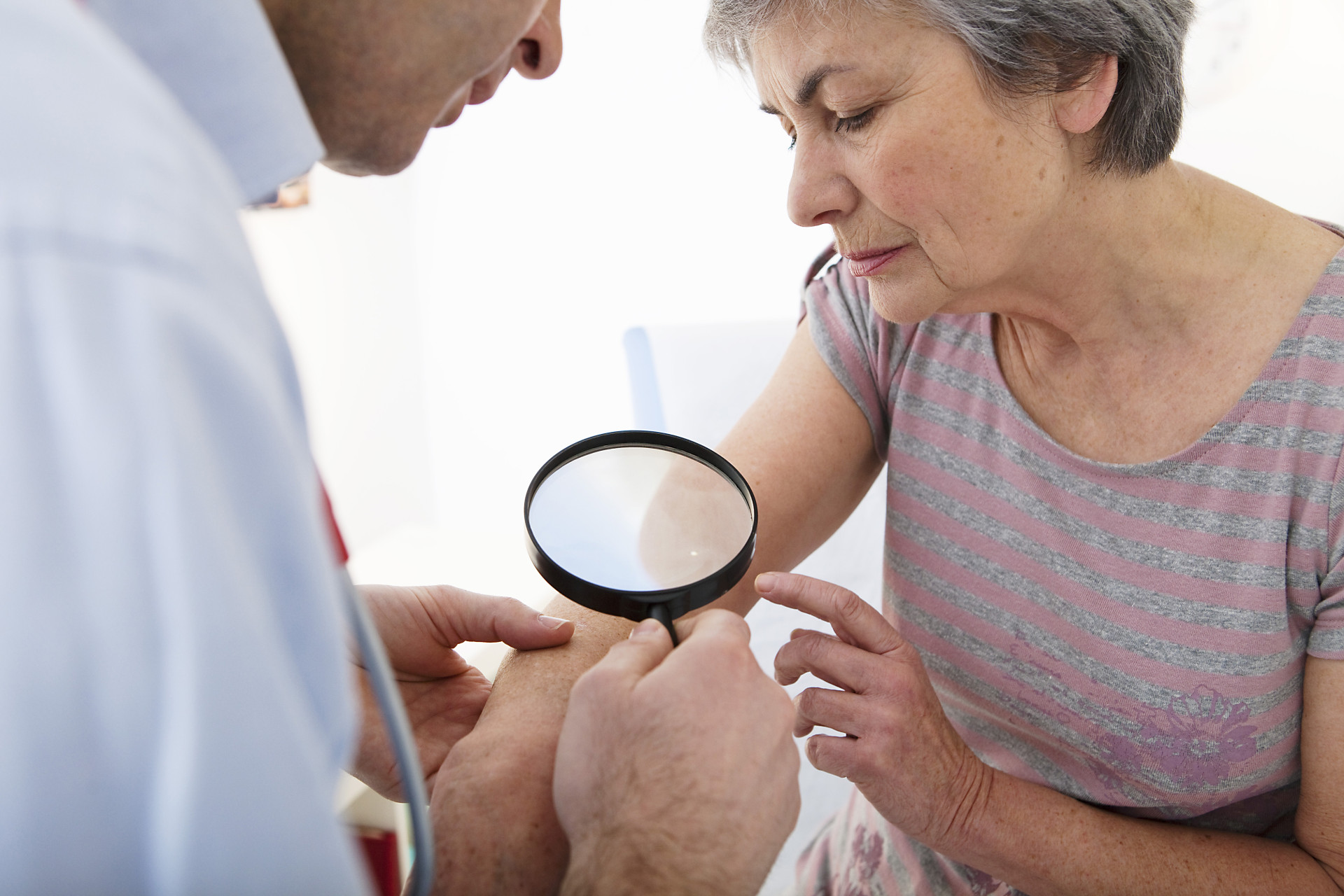 Photo: Depositphotos.com
To notice danger in time, the dermatologist-venereologist recommends performing a skin self-examination once every few months and using the international ABCDE rule to monitor moles:
- A (Asymmetry): asymmetry of shape.
- B (Border): an uneven, blurred or jagged border.
- C (Color): uneven color, such as brown, black, red or blue within one mole.
- D (Diameter): a diameter greater than six millimeters, although melanoma can also be smaller.
- E (Evolution): any changes, including growth, itching, bleeding or a change in shape.
“Other warning signs include wounds that do not heal, bleeding formations, the appearance of new dark spots after the age of 30–40, as well as the ‘ugly duckling’ sign — when one mole looks sharply different from all the others,” the specialist said.
For a routine check-up, people at low risk generally only need to see a dermatologist once a year. However, if there are risk factors or changes in the skin, they should seek medical attention immediately.
What myths about the sun Kazakhstanis still believe
Asiya Zhazylbekova also debunked several popular misconceptions.
Myth: dark skin does not need SPF cream
This is one of the most common myths. According to the doctor, darker skin does burn less often, but it is still exposed to ultraviolet radiation, ages faster and remains at risk of developing skin cancer. Therefore, sunscreen is necessary for people with any skin type.
The sun is safe in cool or cloudy weather
Another common misconception is linked to cloudy weather.
“Up to 80 percent of ultraviolet radiation passes freely through clouds. UVA rays, which trigger aging processes and contribute to the development of skin cancer, remain just as active on cloudy days and even in winter,” Zhazylbekova noted.
Therefore, using SPF should become a healthy daily habit, the speaker said.
A tanning bed is a safe alternative to the sun
Some people believe that controlled tanning in a tanning bed is safer than exposure to open sunlight. However, Asiya Zhazylbekova emphasizes that artificial ultraviolet radiation, on the contrary, sharply increases the likelihood of developing malignant tumors.
“Studies have shown that the risk of developing skin melanoma increases by 75 percent if a person starts using tanning beds before the age of 30. Of course, this is a generalized figure, and the number of sessions and skin type also matter. But overall, I do not recommend this procedure,” the doctor stated.
SPF 100 cream provides 100 percent protection
According to Asiya Zhazylbekova, no sunscreen can fully block ultraviolet radiation. In Kazakhstan’s summer conditions, protection must be comprehensive. It is important not only to apply sunscreen, but also to reapply it every two hours, use the correct amount, and also seek shade, wear covering clothing, hats and sunglasses.


